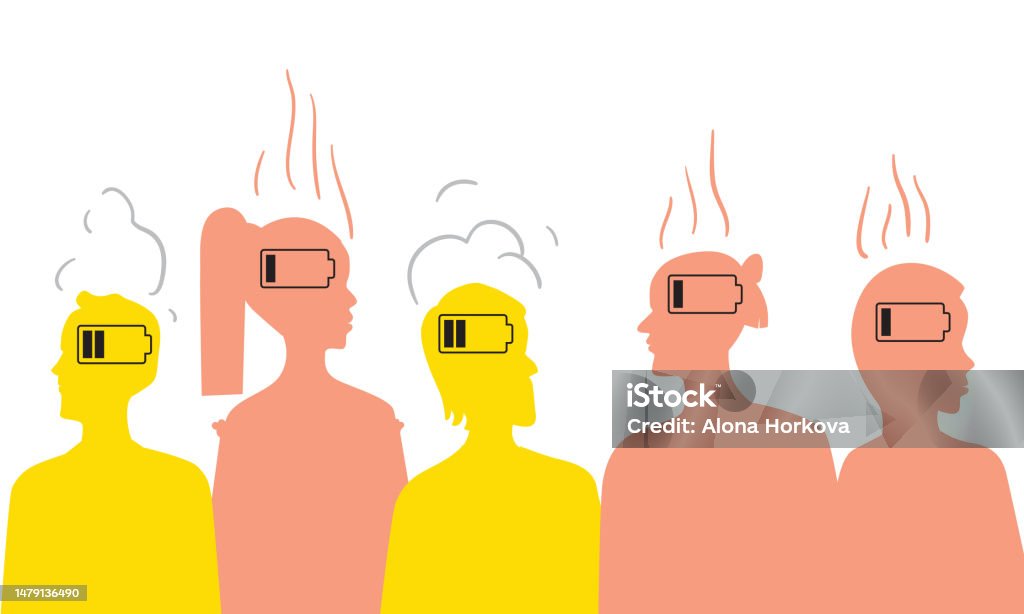
In late 2024 I found myself in a situation where I could not produce anything, I had a burnout. I had to rest. It did not come easy to me to rest (still does not, quite a common occurrence). Doing things is the way I live my life; I think, write, talk, obsess, go for walks, make plans, send messages — all divided into ideas, plans and projects. It is addictive and adrenaline-fueled. But towards what end? As I am emerging from a prolonged burn-out, the art is to cherish the questions in the background of my existence more than reaching out to qiuck fixes and answers.
Why am I doing that thing? What (whose) purpose does this activity serve in the first place? Do I do well by investing my time into this activity? Do I enjoy what I am doing? Am I learning new skills, do I get new insights?
When we constantly ask those questions, there is a shift from a focus on productivity, or the “holiness” of work for the sake of work, to the purpose of it, and the choices one needs to make in what to pursue. And asking questions and carrying questions rather than looking for solutions is my antidote to this predicament of productivity in modern life — see this video by Krista Tippett (On Being) where she lays this out based on the teaching of Rainer Maria Rilke.
Resting is anything but easy. Even if you have had a burnout. Some people write books about their burnout, and get a second burnout from doing that. Let it sink in.
A colleague of mine, Prof. Irene van Staveren, wrote a book about her migraine attacks, next to a research note in a reputable journal — quite remarkable for a non-specialist in medicine. Someone else, who I heard during my winter break on a podcast, did a whole study and wrote a book on the futility of therapy while being in various forms of therapy for most of her adult life!
What encourages people to turn their suffering into books? That seems to be a whole genre, with Viktor Frankl as just one important and well-known example. Is it because writing and studying a subject allows one to accept a misfortune one has experienced — the therapeutic effect of writing? Or that writing is understanding, and we as humans, and some of us more than others, require understanding to heal? Or that we hope to make our suffering helpful for others to deal with their suffering? Or are we, academics and thinkers, so much conditioned to produce, that even when we are sick, we can’t help the impulse to learn, think, synthesise and write, to have a project? Have something to lay our hands on? Or as I read somewhere, maybe many of us believe that by writing and publishing, we actually rescue ideas and work from disappearance, oblivion. Because having ideas and thoughts and experiences is human — not writing them down means losing them in a more capitalist, productivity driven system. So writing down, being systematic and determined is what we do because otherwise it’s all a waste? Lived experience of life as a waste unless we write it down — what a parody!
I am actually trying to be less obsessed with the idea of productivity (be this in the form of articles, op-eds, presentations or meetings). I tell myself that it’s okay if I don’t produce anything this week, this month, even this year. With, of course, a lot of anxiety that goes paired with this thought as my value, certainly my professional value, is linked to the idea of producing. So in 2025 I have lived by the principle of letting go of productivity imperatives. No new articles by all means, no 100 words per day, no blog posts now and then, no YouTube video with advice for students, and no posts on my social media channels to show how smart, accomplished or attractive I am. To shine — a professional quality of academics, I had to let it go. At least partially.
And it’s not easy, because since I have been a small child, I learned that one needs to produce in order to exist. That my existence in this world is conditional on my productivity. This is a dangerous thought, and a lie, as Alan Watts says in this pertinent video. There is also joy in producing, achieving one’s goal, especially when gratification is delayed — when one managed to put work and effort into a subject matter than only later comes to fruition. We are actually wired to get kicks from such achievements, endorphins. This is different from running in a hamster wheel not knowing why one runs and where one runs.
So in 2025 I have lived by the principle of letting go of productivity imperatives. No new articles by all means, no 100 words per day, no blog post now and then, no youtube video with advice for students, and no posts on my social media channels to show how smart, accomplished or attractive I am.
If I look back at the moments that I cherish most in my life, these are a mixed bag. There are moments that arose from hard work — getting a trophy after winning the youth championship of Azerbaijan in 1999, feeling proud after gaining a Ph.D., or feeling good about helping MA and PhD students to learn and achieve their goals — win prizes and get admitted to MA and PhD programmes, or get jobs. But there were also many moments of bliss and happiness that actually had little to do with hard work — happiness of dancing, of letting myself fall in love and be fallen in love with (that is taking emotional risks), building a friendship and discovering new beautiful things about nature, culture or new places. Learning to see signs of spirits and God around me, learning to appreciate existence (like yesterday I saw a robin on a think branch giving sporadic flute signals — changed my mood immediately). The first time I had a girlfriend felt like the most intensive moment of joy, much more than accolades related to achievements I had experienced until then. The relational (and not just among humans, but also among humans, other species, non-animate world) is actually a quicker and better way of feeling fulfilled and happy than the performative. One may feel good also without a constant focus on producing. Important to remember and remind oneself.
thanks, Farhad, for sharing this tough experience and your reflections candidly!
the book “Work won’t love you back” (see here: https://workwontloveyouback.org/), its title alone already and Sarah Jaffe’s appearances (which can be explored here: https://workwontloveyouback.org/appearances/ ) offers another healthy subversion of the widespread and often exploitative idea of devotion to our work.
keep dancing & enjoying birds!
Thank you, Karin. It’s a reminder that there are saving rings out there, just one must find time and patience to look. Hugs!
What a wonderful reflection! Thank you so much. Also for the links 😉
Thank you, Irene! Also for all your support in this hard year!